Public
CASE STUDY: ADAPT – When Architecture Redefines Community After Wildfires
In recent years, climate change has triggered a series of natural disasters, with the January 2025 wildfires in California standing out as one of the most devastating. Emerging from this crisis is “Case Study: Adapt” (CSA), a visionary project that seeks to redefine sustainable living in the face of increasingly extreme environmental conditions.
From Disaster to Rebuilding Opportunity
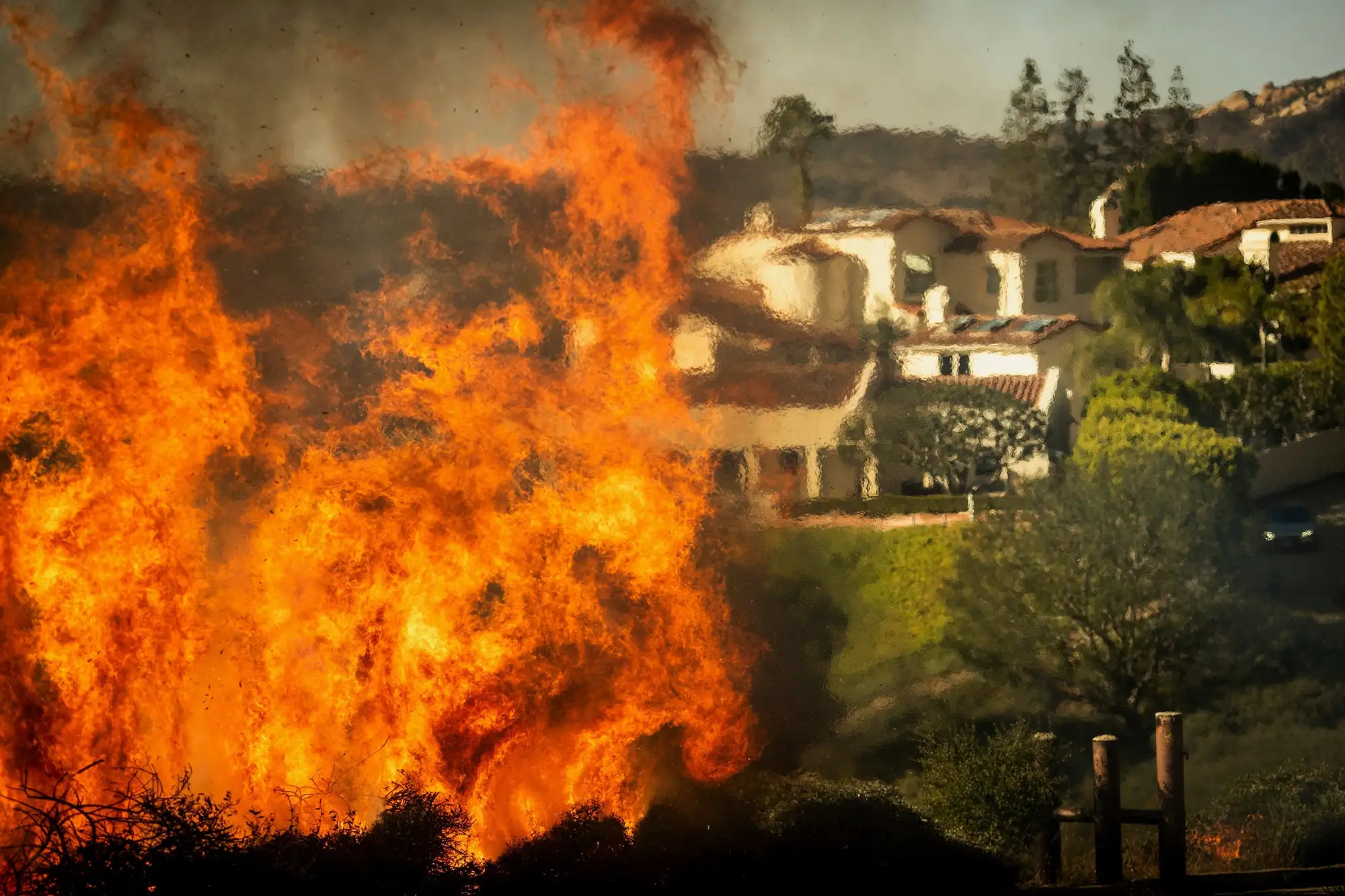
Los Angeles and its surrounding regions have endured relentless wildfires, leading to the destruction of residential areas, severe ecosystem degradation, and, most critically, the displacement of thousands. In response, founders Leo Seigal and Dustin Bramell launched “Case Study: Adapt” (CSA) - an initiative inspired by the legendary Case Study House Program that once propelled modernist architecture forward in the post-WWII era.
Leo Seigal, also the founder of interior design platform The Experts shares: “CSA is our way of transforming loss into opportunity—by mobilizing leading architects to create homes that not only withstand today’s climate challenges but also reimagine what sustainable living can look like.”
Dustin Bramell, who lost his own home in the blaze, adds: “CSA isn’t just about rebuilding—it’s about restoring faith in how we live in the 21st century.”
Where the original Case Study House Program focused on modern, aesthetic homes suited to mid-century lifestyles, CSA aims higher: to deliver architectural solutions that are both sustainable and resilient in regions prone to wildfires.
Leading Architects Unite for a Common Cause
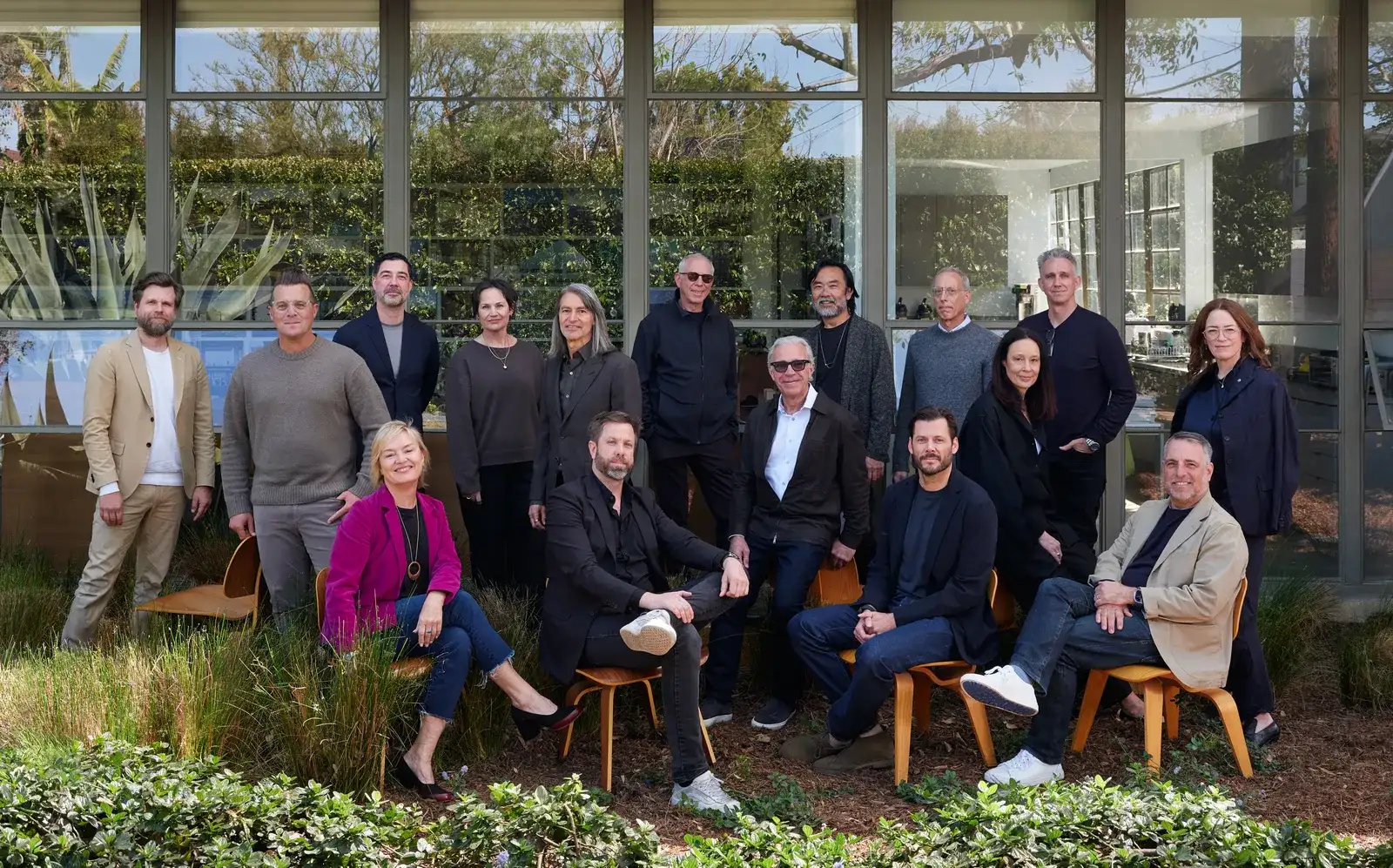
CSA sets out to explore bold new ideas in housing by connecting top-tier architects with residents seeking to rebuild in Pacific Palisades and Altadena—two of the communities hardest hit by the fires. Ten of Los Angeles’ most respected architecture firms were invited to participate, each tasked with designing a prototype home that adapts to the post-wildfire environment. Notable names include Marmol Radziner, Johnston Marklee, and Brooks + Scarpa—firms known for their expertise in eco-conscious and sustainable architecture.
These designs prioritize not only aesthetic quality but also fire resistance, the use of recycled materials, and the harnessing of natural energy. Importantly, they are conceived to be quickly constructed—supporting affected families in regaining stability as soon as possible.
Sustainable Home Design – A Blueprint for the Future
One of CSA’s core principles is the integration of cutting-edge construction technologies to produce homes capable of withstanding harsh climate conditions. Key design features include:
- Fire-resistant materials: Treated wood, concrete, tempered glass, and metals are central to minimizing fire risk.
- Self-sustaining energy systems: Solar panels, rainwater collection, and wastewater recycling are integrated to reduce environmental impact.
- Flexible, open layouts: Homes are designed to expand or contract based on residents' needs, while maximizing natural light and ventilation to cut energy use.
CSA is not only a timely solution to California’s housing crisis—it also presents a compelling direction for global architecture in the age of climate change. It poses an urgent question: Can we design homes that are beautiful, sustainable, and capable of protecting us from natural disasters?
Beyond providing housing models for high-risk wildfire zones, CSA is a call to action for architects and designers worldwide to take part in building a greener, safer future.
“Case Study: Adapt” stands as a testament to the power of architecture—not just as an art or function, but as a critical tool in protecting humanity from the forces of nature. Through this program, architects are not merely rebuilding what was lost—they are reshaping how we live, adapt, and thrive in a rapidly changing world. It is an inspiring step forward, one that promises a lasting impact on the future of sustainable design.